📌 TL;DR
For Banks and NBFCs, local-language recovery notices reduce borrower confusion, improve response rates, and support RBI-aligned collection practices.
When combined with CADRE, India’s simplest online dispute resolution platform, lenders can resolve overdue accounts faster, with lower escalation and better borrower cooperation.
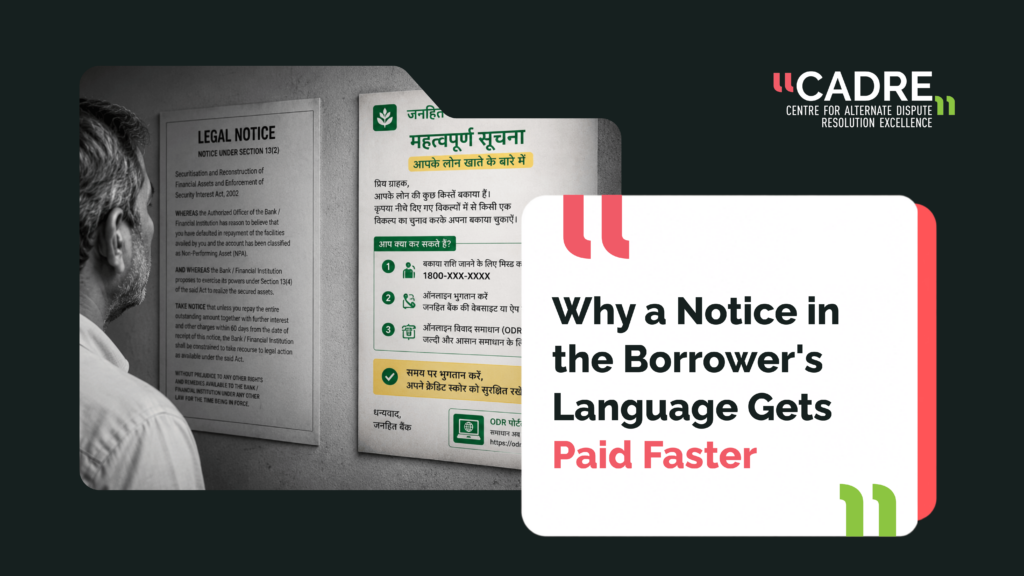
An unclear recovery notice often leads to delayed responses, missed repayments, and higher collection costs. When borrowers receive notices in a language they understand, they’re more likely to engage and move toward repayment.
In India, most banks send these notices in English, creating a massive communication gap. When banks or NBFCs explain loan recovery meaning in Hindi or regional languages, they primarily remove fear. This shifts the borrower from hiding away to actively settling the debt.
In this article, we’ll discuss why a notice in the borrower’s language resolves faster and how online dispute resolution (ODR) may help.
What is loan recovery in India?
Loan recovery meaning in Hindi is: “ऋण वसूली.” It’s the process where a bank or lender collects unpaid money from a borrower who missed their deadlines.
This system helps lenders protect cash flow, control NPAs, and maintain healthy loan portfolios without damaging borrower relationships.
Explaining loan recovery meaning in Hindi helps borrowers clearly understand overdue payments, lender notices, repayment options, and the next steps in the recovery process.
When people miss payments, banks use an internal team or hire a money recovery agency to follow up for debt recovery.
Field teams and agents
The main link to the borrower is the agent in the field. We describe these agents using the DRA full form in Hindi: Debt Recovery Agent (ऋण वसूली एजेंट).
The Reserve Bank of India requires these agents to pass a mandatory course managed by the Indian Institute of Banking and Finance (IIBF) to ensure they follow collection laws.
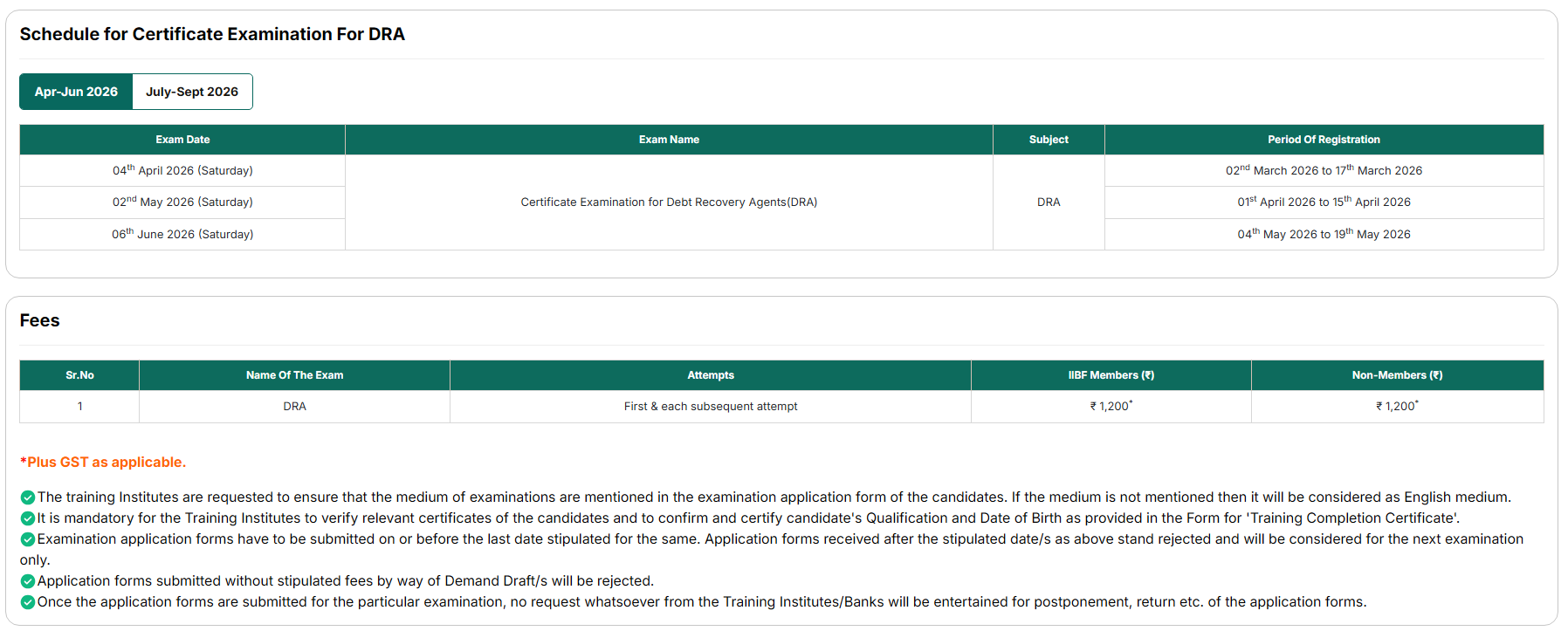
For example, when a large retail NBFC seeks to recover an overdue vehicle loan in Uttar Pradesh, it dispatches an IIBF-certified agent and tries to settle out of the courts. Notably, the IIBF certification exam itself is conducted in English, Hindi, and nine other regional languages to ensure proper communication.
Why local language notices get faster results
Local language notices get faster results because they remove the mental stress caused by foreign legal words. When a borrower understands a notice, they are far more likely to reply.
Cutting out mental stress
When a borrower gets a letter in English, reading heavy legal terms requires intense effort. This creates cognitive drag.
For lenders, this creates avoidable follow-up costs and slower recovery cycles. A clear notice written in Hindi or other regional languages clarifies the facts immediately.
Reversing avoidance
Under financial stress, people often suffer from the “Ostrich Effect.” This is usually considered an investment-related behavioural bias, but debtors also avoid looking at a negative financial situation to escape anxiety. An intimidating English letter makes this avoidance worse.
Because the text feels threatening, the borrower experiences a loss of agency. They choose to ignore phone calls, emails, and mail entirely.
Replacing foreign terms with clear regional language gives the borrower the confidence to speak up and settle.
Following RBI guidelines for loan recovery
Describing loan recovery meaning in Hindi to borrowers is a strict requirement for regulatory compliance under Indian financial laws. Notices, disclosures, and field-agent communication should be in a language the borrower understands to reduce regulatory risk.
Rules set by the fair practices code
Coming into effect from October 1, 2026, banks must align their collection methods with the RBI guidelines for loan recovery.
| Regulatory parameter | Standard RBI requirement |
| Permitted contact hours | 8:00 AM to 7:00 PM only |
| Language of disclosure | Vernacular or a language understood by the borrower (This is not a new addition, but already in effect since 2006) |
| Pre-appointment notice | A written notice before deploying field agents |
| Prohibited practices | Absolute ban on physical intimidation or workplace contact |
Penalties and transparency
These rules are strictly enforced under the Reserve Bank of India Directions. Under these terms, the loan amount and late fees must be given in writing in a regional language. If a lender fails to do this, the banking ombudsman can order heavy compensation payouts.
CADRE and online dispute resolution
Online dispute resolution is a digital, out-of-court method to settle payment problems quickly without long legal battles. It uses secure internet portals and independent experts to help parties reach a binding agreement.
Shifting to digital settlements
The growth of online dispute resolution in India has received strong support from government planners.
NITI Aayog’s official report, The ODR Policy Plan for India, emphasises using digital tools to resolve business disputes. This framework supports using technology to break down language barriers.
How CADRE opens access
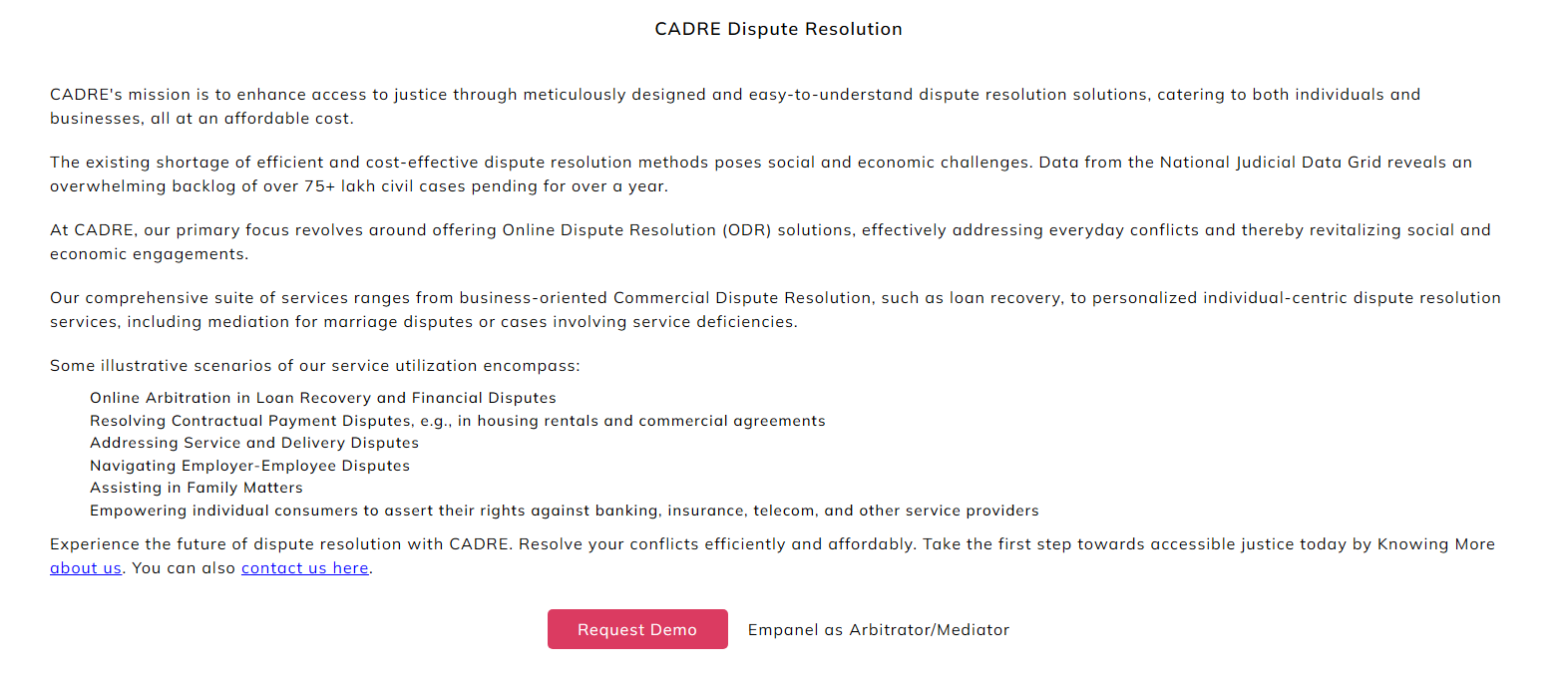
This is where the specialised online dispute resolution platform CADRE changes the system. CADRE manages the entire dispute outside of court on a secure web platform.
Language access is central to CADRE’s design. It provides online dispute resolution in Hindi and other major regional languages.
Settling outstanding accounts does not require aggressive field calls. CADRE combines automated local language messaging with an expert human reviewer to resolve disputes safely within 45 to 120 days.
Conclusion: The way forward for lenders
Lenders get the best recovery rates when they combine local language notices with private, digital settlement tools. Shifting away from harsh collections toward structured ODR protects both lender funds and customer relationships.
By using regional languages and the trusted online dispute resolution platform, CADRE, lenders can settle disputes faster and cut costs significantly.
FAQs for loan recovery meaning in Hindi
Extra fees added to your debt for missed payments, covering late penalties and bank notice costs.
No. Loan default is a civil matter. Police only step in for actual fraud or cheating.
Your credit score drops, debt grows from penalties, and lenders start private out-of-court legal action through ODR.
Yes, but only between 8:00 AM and 7:00 PM. They must show ID, a pre-appointment notice, and cannot threaten the borrower.